
Digital Marketing
Digital Marketing for Beginners: How to Grow Your Business Online (Complete Guide)
Apr 25, 2026

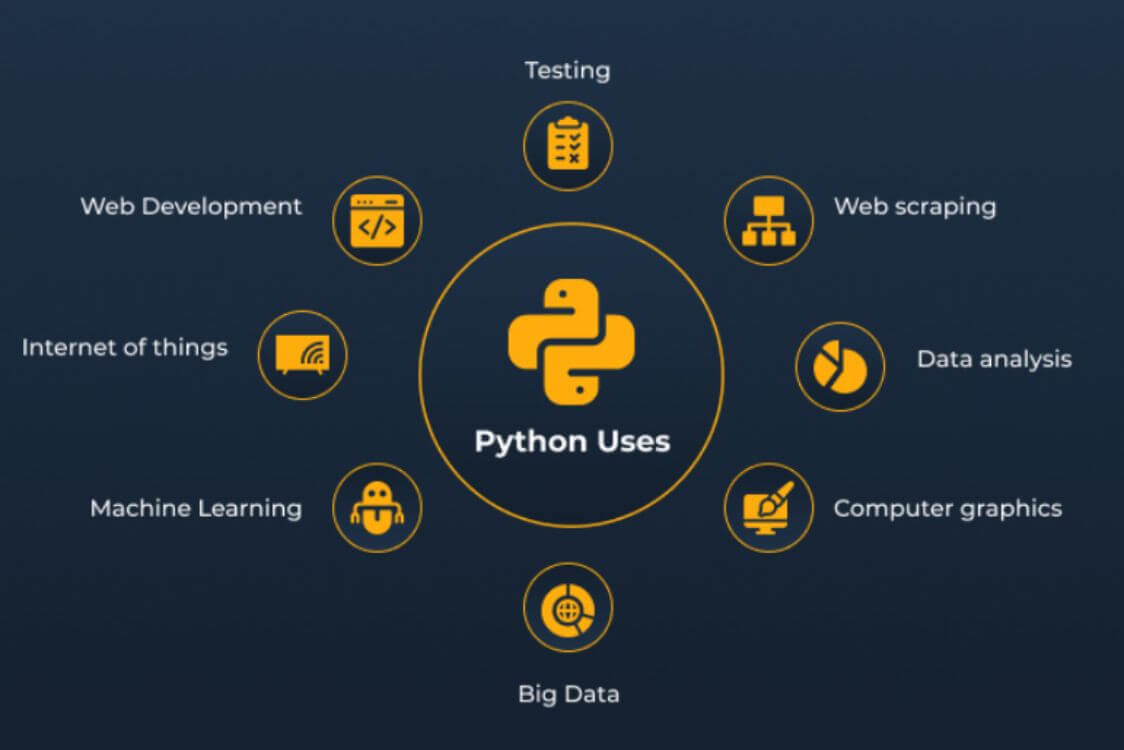
If you’ve ever wondered how websites handle logins, store data, or process payments, the answer lies in backend development. While frontend is what users see, the backend is the engine that powers everything behind the scenes.
In this beginner-friendly guide, you’ll learn how to get started with backend development using Python, one of the most popular and powerful programming languages today.
Backend development refers to the server-side part of a website or application. It handles:
In simple terms, the backend is what makes a website “work.”
Python is widely used for backend development because it is:
Before diving in, make sure you have:
Before backend development, you must understand:
If you skip this step, everything else will feel confusing.
You should know the basics of:
This helps you understand how frontend and backend communicate.
Frameworks make backend development faster and easier.
Django
Flask
👉 If you’re a beginner, start with Django for structure or Flask for simplicity.
Start simple. For example:
from flask import Flask

app = Flask(__name__)

@app.route('/')
def home():
    return "Hello, Backend World!"

if __name__ == '__main__':
    app.run(debug=True)
This simple code creates a backend server that returns a response when visited.
Backend development involves storing and retrieving data.
APIs allow your backend to communicate with other systems or frontend apps.
Example:
GET /api/posts/
POST /api/posts/
Most real-world applications require user accounts.
Git helps you track changes and collaborate.
git init
git add .
git commit -m "Initial commit"
Once your app is ready, deploy it online.
Even backend projects can be optimized for SEO when connected to frontend:
Here’s a simple path you can follow:
Backend development with Python is one of the best paths for beginners entering tech. It’s powerful, in-demand, and opens doors to building real-world applications.
The key is to start small, practice consistently, and build projects that solve real problems.
If you’re looking to build a secure and scalable web application, Amasoft Ghana offers professional backend development services tailored to your business needs.
Let’s help you bring your idea to life.
Digital Marketing
Apr 25, 2026
Web Development
Apr 25, 2026
© . All rights reserved by Amasoft Ghana.